
Build an approval‑ready credit profile
Understand what’s driving your credit decisions, identify items that may be unfair or inaccurate, and take a structured next step toward stronger approvals and better terms.
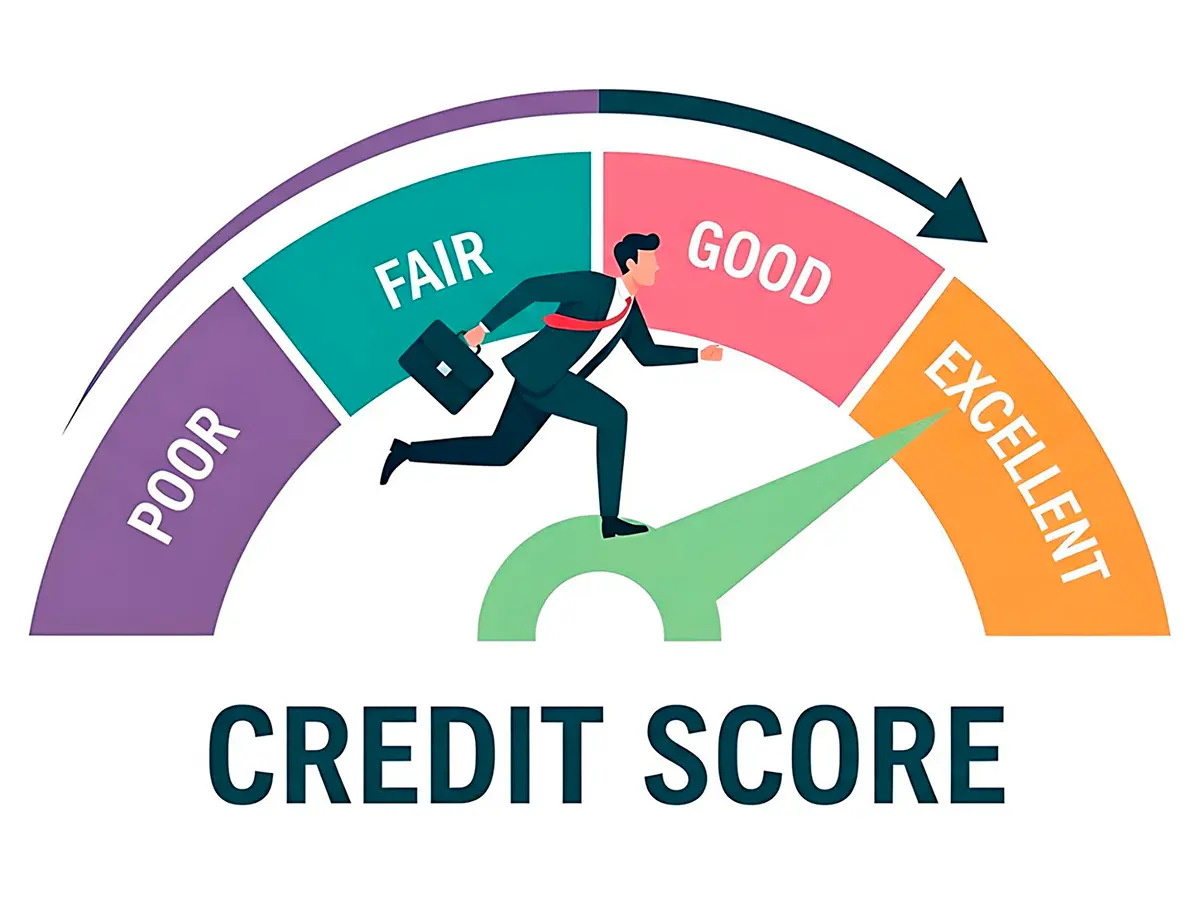
Built around established U.S. credit reporting practices and dispute procedures under the Fair Credit Reporting Act (FCRA). No unrealistic promises—just clarity, documentation, and structured credit improvement.
Unlock more options
Choose the outcome you care about. We’ll outline what improves it—and what to watch for—so you can move forward with confidence.
Your path to stronger credit
A stronger credit profile can mean better approval odds, improved loan terms, and more financial flexibility. Get a clear, no-fluff overview of what credit improvement can help you achieve — then take the next step when you're ready.
Credit decisions in the U.S. are typically influenced by payment history, utilization ratios, account age, recent inquiries, and the accuracy of reporting across major credit bureaus.
Even small inconsistencies can affect lending algorithms. A structured credit improvement approach focuses on verified data, responsible usage patterns, and consistent financial behavior.
*Results vary. This page does not guarantee outcomes.
How it works
A straightforward workflow used by reputable credit‑support programs: review, challenge what’s questionable, and build stronger habits while updates are processed.

Review your starting point
Clarify your goal and look at what’s currently affecting approvals and terms.

Identify what can be challenged
See what information is typically needed, what to expect next, and how the workflow usually looks.

Move forward
Continue to explore available options and take the next step toward better credit outcomes.
how to repair credit on your own: a decisive field guide
Audit your credit landscape
I start by gathering data, not guesses. Pull full credit reports from each bureau and scan with a highlighter's mindset. I look for accuracy, dates that make sense, and balances that should match reality. Performance begins with clean inputs.
- Verify identity details: names, addresses, employers.
- Confirm accounts: no duplicates, no "mystery" loans.
- Check status codes: late marks, charge-offs, collections.
- Match balances and limits: utilization drives scores.
- Note timelines: delinquencies should age and drop per policy.
Dispute precisely, not loudly
Errors are score leaks. I isolate each one, collect proof (statements, payment confirmations, delivery receipts), and dispute with calm precision. Specific claims get traction; rants don't.
- Open disputes with each bureau reporting the error. Quote the account, date, and what's wrong.
- Attach evidence; request correction or deletion. Send by certified mail when possible.
- Also contact the furnisher (bank, collector) with the same packet.
- Track case numbers. Bureaus typically respond within ~30 days. Re-dispute only with new facts.
Optimize utilization and cash flow
Scores often move fastest by reshaping balances. I aim for total and per-card utilization under 30%, ideally under 10% on the statement date. Timing matters.
- Pay before the statement cuts, not just before the due date.
- Request credit limit increases from issuers that offer soft-pull reviews.
- Prioritize high-APR debt for interest savings; use avalanche or snowball, but execute consistently.
Real-world moment: on a Sunday evening, I opened my card app and sent a $92 payment to leave a $48 balance before Tuesday's statement. By midweek, the score ticked up - small, but measurable momentum.
Build positive data deliberately
Fresh, on-time payments are the engine. I automate at least the minimums, then layer extra principal to reduce interest drag. If thin-filed, I consider low-friction builders.
- Secured card: small deposit, spend lightly, report on-time.
- Credit-builder installment: predictable payments that create history.
- Authorized user: only with someone who has low utilization and perfect history, and whose issuer reports AUs.
- Keep older accounts open (fee-free) to preserve age.
Negotiate and resolve debts
I approach creditors with a plan, not a plea. For a single, well-explained slip, a goodwill adjustment can occasionally remove a late mark. With collections, settlements or "pay for delete" may be possible - always get it in writing before paying. Know the statute of limitations on suing for old debts; don't reset clocks accidentally with a small "good-faith" payment unless it's part of a documented agreement.
Track, protect, and pace yourself
I set a monthly score-and-report review, freeze credit to block fraudulent pulls, and avoid unnecessary hard inquiries. Progress compounds when I avoid backslides.
Timeline expectations
Restrained optimism helps. Clear-cut dispute fixes can land in 30 - 60 days. Utilization improvements may show after the next statement. Sustainable rebuilds - thicker files, aged accounts, spotless payments - often take 6 - 18 months. That's not slow; it's deliberate.
Decide, then execute: verify the data, correct mistakes, drive balances down, seed positive history, and negotiate smartly. Measure each move, adjust the plan, and let time showcase the performance.
Check Your Credit Report - Improve Your Payment History - Know Your Credit Utilization Ratio - Consider How Many Credit Accounts You Have - Think ...
How do credit scores work? - How to fix your credit score - Step 1: Obtain and review your credit reports - Step 3: Focus on payment history - Step ...
Write letters to the credit bureau and the business that reported the information about you. Use these sample ...
Frequently asked questions
A clear next step — without the guesswork
See what’s impacting approvals and what may deserve a closer look.
Understand how disputes are structured and what documentation matters.
Improve utilization, consistency, and long-term credit stability.
See what improving your credit could change
Take a structured next step based on your current profile — and decide with clarity.